
Clinical care
Finding a TCM practitioner for Chinese cupping
Ba guan is safest and most coherent when performed by someone trained in traditional Chinese medicine diagnosis—not only in applying suction.
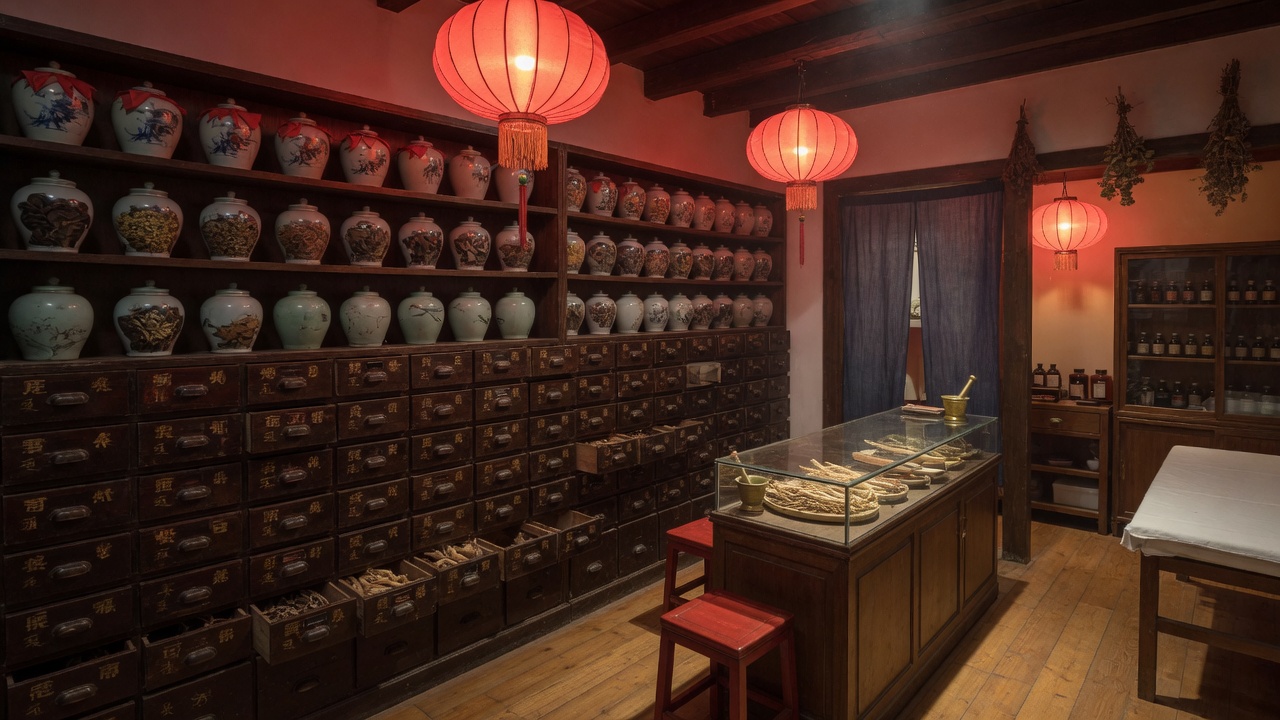
Who typically provides TCM cupping
- Licensed acupuncturists / TCM practitioners (titles vary by country and state)
- Physicians with formal training in Chinese medicine in some regions
- In some places, other bodyworkers may learn cupping—but full pattern diagnosis is a TCM skill
Check your local licensing board for titles such as L.Ac., R.Ac., TCM practitioner, or Doctor of Chinese Medicine.
Questions worth asking
- Do you diagnose using TCM pattern differentiation?
- Which cupping methods do you use (fire, moving, wet)?
- How do you decide between cupping, acupuncture, and herbs?
- What aftercare do you recommend for my constitution?
- How do you handle wet cupping hygiene if that method is used?
Cupping as part of whole care
In Chinese medicine clinics, cups are one tool among several:
- Acupuncture — point prescriptions for the same pattern
- Moxibustion — warming yang and expelling cold
- Gua sha — related exterior and channel therapy
- Herbal medicine — internal treatment of the root pattern
- Dietary & lifestyle counsel — aligned with TCM theory
Red flags need medical care first
Sudden severe pain, neurological deficits, chest pain, high fever with serious illness, or unexplained systemic symptoms require biomedical evaluation. TCM cupping is not emergency medicine.